
PETROCHEM
Overview
A petrochemical laboratory is a facility where various tests and analyses are conducted on petroleum and its derivatives. The specific instruments and consumables used in a petrochemical lab can vary depending on the type of analyses being performed, but here are some common elements found in such labs:
Gas Chromatograph (GC):
- GC is a widely used instrument for separating and analyzing volatile compounds in a sample. It’s essential for characterizing the composition of hydrocarbons in petroleum products.
Mass Spectrometer (MS):
- Often coupled with a gas chromatograph, a mass spectrometer helps identify and quantify compounds based on their mass-to-charge ratio. This is valuable for detailed analysis of complex mixtures.
High-Performance Liquid Chromatograph (HPLC):
- HPLC is used for the separation and analysis of non-volatile compounds in a sample. It complements GC by handling substances that are not easily vaporized.
Infrared Spectrometer (IR):
- IR spectroscopy is used to identify functional groups in organic molecules. It helps in the qualitative analysis of various compounds present in petroleum products.
Nuclear Magnetic Resonance (NMR) Spectrometer:
- NMR spectroscopy is employed to study the structure of organic compounds. In the petrochemical industry, it can be used for more in-depth analysis of complex molecules.
Flame Ionization Detector (FID):
- FID is a common detector in gas chromatography, particularly for hydrocarbons. It measures the concentration of ions produced when organic compounds are burned in a hydrogen flame.
Viscometer:
- This instrument measures the viscosity of liquids, which is crucial in determining the flow characteristics of petroleum products.
Distillation Equipment:
- Distillation is a common method for separating components in a mixture based on their boiling points. Distillation columns and apparatus are used to simulate and analyze the distillation process.
Titration Equipment:
- Titration is used for determining the concentration of various chemical species in a sample, such as acids, bases, or specific functional groups.
Autoclaves and Pressure Vessels:
- These are used for simulated distillation and other tests that involve high pressure and temperature conditions.
Sample Containers and Glassware:
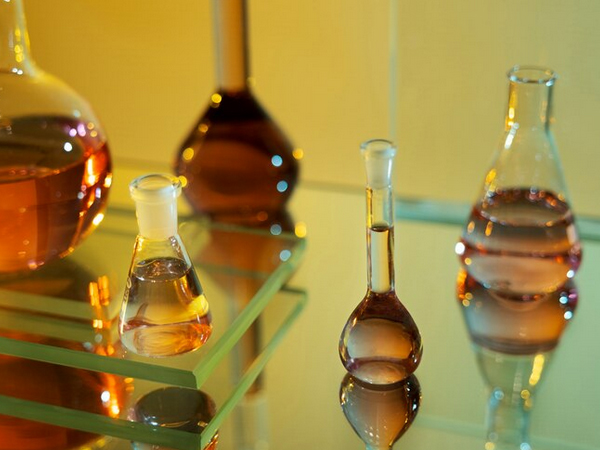
- Various types of containers, beakers, flasks, and specialized glassware are used for sample preparation and analysis.
Calibration Standards and Reference Materials:
- These are necessary for ensuring the accuracy and reliability of analytical instruments.
Solvents and Reagents:
- High-quality solvents and reagents are crucial for sample preparation and analysis.
Keep in mind that technology and methodologies in petrochemical laboratories may evolve over time, and specific instruments and consumables can vary based on the laboratory’s focus and the nature of the analyses conducted. Additionally, safety equipment and measures are paramount in petrochemical labs due to the potentially hazardous nature of the substances being analyzed.