
MINING
Overview
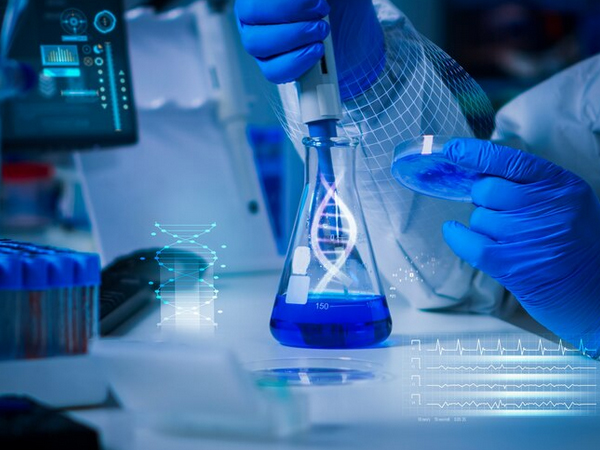
A mining lab is a facility where various analyses and tests related to mining activities are conducted. The specific instruments and consumables used in a mining lab can vary depending on the type of analysis being performed and the nature of the mining operation. Here are some common components found in a mining lab:
Sample Preparation Equipment:
- Crushers and Grinders: Used to crush and grind rock samples into smaller, manageable sizes for further analysis.
- Pulverizers: Reduce samples to fine powder for certain types of analysis.
Analytical Instruments:
- Spectrometers: Identify and quantify the elemental composition of samples, such as X-ray fluorescence (XRF) spectrometers and inductively coupled plasma mass spectrometers (ICP-MS).
X-ray Diffraction (XRD): Determines the mineral composition of samples by analyzing the diffraction patterns of X-rays. - Scanning Electron Microscopes (SEM): Provides detailed images and information about the surface morphology of minerals and ores.
Atomic Absorption Spectrophotometers (AAS):
- Measures the concentration of specific elements in a sample by analyzing the absorption of light.
- Gas Chromatography (GC) and Liquid Chromatography (LC): Used for analyzing organic compounds in mining samples.
- Microscopes: Used for visual examination and identification of minerals and ore samples.
Safety Equipment:
- Fume Hoods: Provide a controlled environment for handling chemicals and preventing exposure to harmful fumes.
- Personal Protective Equipment (PPE): Includes items like gloves, safety glasses, lab coats, and other protective gear.
Laboratory Consumables:
- Chemicals: Reagents and solvents used in various analytical processes.
Glassware: Beakers, flasks, test tubes, and other containers for holding and manipulating samples. - Filters: Used for separating solids from liquids in sample preparation.
Laboratory Apparatus: Pipettes, burettes, and other tools for precise measurement and dispensing of liquids.
Quality Control Instruments:
- Calibration Standards: Used to calibrate analytical instruments for accurate and reliable results.
- Quality Control Samples: Regularly tested samples with known properties used to monitor the accuracy and precision of analytical instruments.
Data Analysis Software:
- Data Processing Software: Analytical labs often use specialized software to process and interpret the results obtained from various instruments.
These are just general components, and the specific equipment can vary based on the type of mining operation and the analyses performed in the lab. Specialized labs may also include equipment for environmental testing, metallurgical analysis, and other specific purposes related to mining and mineral processing.