
PATHOLOGY
Overview
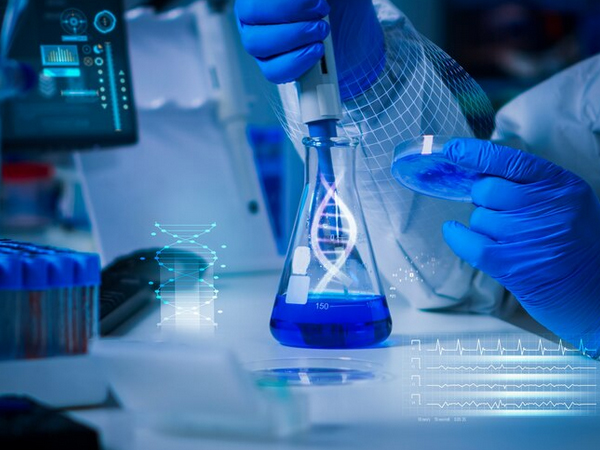
A pathology lab is a facility where medical professionals, particularly pathologists, examine tissues, organs, bodily fluids, and other samples to diagnose diseases and conditions. The lab consists of various instruments and consumables essential for sample processing, analysis, and diagnosis. Here are some common components found in a pathology lab:
Microscopes:
- Compound Microscopes: Used for examining stained tissue sections or other specimens at high magnification.
- Stereo Microscopes: Used for dissecting and examining larger specimens in three dimensions.
Centrifuges:
- Used to separate components of a sample based on their density, such as blood cells from plasma.
Tissue Processing Equipment:
- Tissue Processors: Used to dehydrate, clear, and impregnate tissue samples with wax for histological examination.
- Embedding Stations: Used to embed processed tissue samples in paraffin wax blocks for sectioning.
Microtomes:
- Instruments used to cut thin sections of tissue samples for microscopic examination.
Stainers:
- Automated staining equipment for staining tissue sections with various dyes to enhance visibility under the microscope.
Autoclaves:
- Sterilization equipment used to eliminate microorganisms from instruments and laboratory supplies.
Incubators:
- Maintains controlled temperature and humidity conditions for the cultivation of microorganisms or the incubation of cell cultures.
Analyzers:
- Hematology Analyzers: Used for complete blood counts (CBC) and related tests.
- Chemistry Analyzers: Perform biochemical analyses on blood and other bodily fluids.
- Immunology Analyzers: Used for immune system-related tests, including serology and infectious disease markers.
PCR Machines:
- Polymerase Chain Reaction machines for amplifying and analyzing DNA.
Flow Cytometers:
- Used to analyze the physical and chemical characteristics of particles, often used in immunology and hematology.
Electrophoresis Equipment:
- Used to separate macromolecules, such as DNA, RNA, and proteins, based on their size and charge.
Cryostats:
- Instruments for cutting frozen tissue sections for examination.
Laboratory Information Management System (LIMS):
- Computer software for managing and organizing laboratory data, including sample tracking and test results.
Safety Equipment:
- Personal protective equipment (PPE), such as gloves, lab coats, and safety goggles, to ensure a safe working environment.
Consumables:
- Microscope slides, cover slips, staining reagents, culture media, pipettes, test tubes, and other disposable items used in the analysis process.
These are just a few examples, and the specific equipment and consumables in a pathology lab may vary depending on the type of tests and analyses performed. The advancement of technology continually introduces new instruments and techniques to improve diagnostic capabilities in pathology labs.