
ENVIRONMENTAL
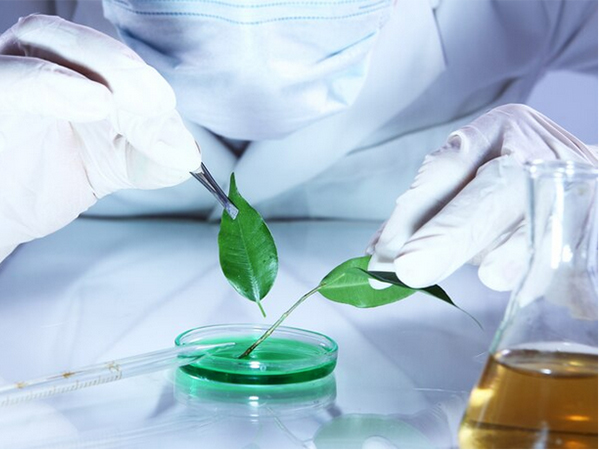
Overview
An environmental laboratory is a facility equipped to analyze various environmental samples to assess and monitor factors such as air and water quality, soil contamination, and more. The specific instruments and consumables used can vary depending on the types of analyses being conducted. Here’s a general overview of some common instruments and consumables found in environmental labs:
Microscopes:
- Used for the examination of microorganisms in water and soil samples.
Gas Chromatograph (GC):
- Analyzes volatile organic compounds (VOCs) and other gases in air and water samples.
Liquid Chromatograph (LC):
- Separates and analyzes components in liquid samples, such as pesticides and other organic compounds.
Mass Spectrometer (MS):
- Often coupled with GC or LC, it helps identify and quantify compounds based on their mass-to-charge ratio.
Atomic Absorption Spectrophotometer (AAS):
- Determines concentrations of metals in various samples, including water and soil.
Inductively Coupled Plasma Mass Spectrometer (ICP-MS):
- Measures trace elements in samples at very low concentrations.
pH Meters and Conductivity Meters:
- Measure the acidity/alkalinity and conductivity of water samples.
Dissolved Oxygen Meters:
- Measure the amount of oxygen dissolved in water, which is crucial for aquatic ecosystems.
Spectrophotometer:
- Measures the intensity of light at different wavelengths, used for various chemical analyses.
TOC Analyzer (Total Organic Carbon):
- Measures the total amount of carbon in organic compounds in water samples.
Autosamplers:
- Automate the introduction of samples into analytical instruments, increasing efficiency.
Environmental Test Kits:
- Portable kits for on-site testing of parameters like pH, turbidity, and various contaminants.
Incubators and Ovens:
- Used for sample preparation and incubation of cultures in microbiological analyses.
Fume Hoods:
- Provide a controlled environment for handling hazardous materials and chemical processes.
Consumables:
- Sample containers (bottles, vials, etc.).
- Filters for water and air sample preparation.
- Reagents and standards for calibration and analysis.
- Laboratory glassware and plasticware.
- Membrane filters for particulate analysis.
- Gloves, lab coats, and other personal protective equipment (PPE).
- Calibration standards for instrument accuracy.
Environmental labs adhere to strict quality control and assurance procedures to ensure the accuracy and reliability of their analyses. The choice of instruments and consumables depends on the specific requirements of the analyses being conducted in the laboratory.