
FORENSICS
Overview
Forensic laboratories are equipped with a variety of instruments and consumables to analyze and examine evidence related to criminal investigations. The specific equipment and materials can vary depending on the type of forensic analysis being conducted. Here are some common components found in a forensic lab:
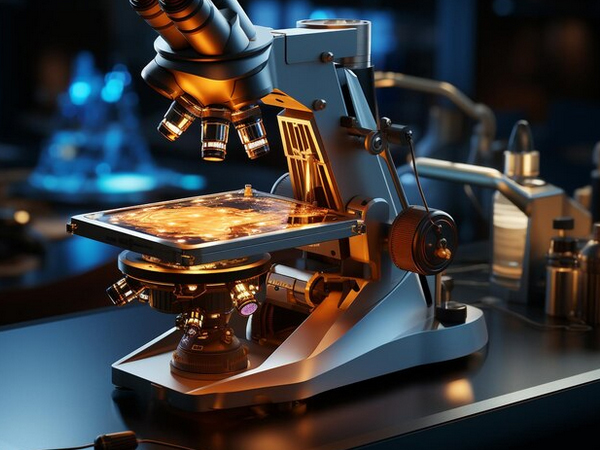
Microscopes:
- Used for examining trace evidence such as hair, fibers, and gunshot residue.
DNA Analysis Equipment:
- Polymerase Chain Reaction (PCR) machines for DNA amplification.
- Genetic analyzers for DNA sequencing.
- Thermal cyclers for DNA amplification.
Chromatography Instruments:
- Gas Chromatography (GC) and Liquid Chromatography (LC) systems for separating and analyzing complex mixtures, such as drugs or toxins.
Mass Spectrometers:
- Used in conjunction with chromatography for identifying and quantifying compounds in a sample.
Spectrophotometers:
- Measure the intensity of light at different wavelengths, used in various analyses including bloodstain analysis.
Electrophoresis Equipment:
- Separates macromolecules like DNA, RNA, and proteins based on their size and charge.
Digital Forensic Tools:
- Software and hardware tools for extracting, analyzing, and preserving digital evidence from computers, mobile devices, and other electronic media.
Latent Print Examination Tools:
- Includes powders, chemicals, and alternate light sources for visualizing and analyzing latent fingerprints.
Forensic Light Sources:
- Used to detect and enhance certain types of evidence, such as bodily fluids or trace evidence.
Evidence Collection Kits:
- Contains various tools and materials for collecting and preserving different types of evidence, such as blood, hair, or fibers.
Biological Safety Cabinets:
- Used for handling and processing biological samples to prevent contamination.
Automated Pipetting Systems:
- Assist in precise and automated liquid handling, crucial in molecular biology and chemistry analyses.
Documentation and Imaging Equipment:
- Cameras, digital imaging systems, and software for documenting and analyzing physical evidence.
Forensic Chemistry Kits:
- Kits containing reagents and chemicals for performing specific forensic tests, such as drug analysis or blood typing.
Reference Materials:
- Libraries of known samples for comparison and validation purposes.
Protective Clothing and Personal Protective Equipment (PPE):
- Lab coats, gloves, masks, and other gear to ensure the safety of personnel and prevent contamination.
These are general categories, and the specific instruments and consumables can vary based on the focus of the forensic laboratory, whether it’s a DNA lab, toxicology lab, digital forensics lab, or another specialized area. Additionally, advancements in technology continually introduce new tools and techniques to forensic science.