
PHARMACEUTICAL
Overview
A pharmaceutical laboratory is a specialized facility where scientists and researchers conduct various tests, experiments, and analyses related to the development, production, and quality control of pharmaceutical products. The specific equipment and consumables used in a pharmaceutical lab can vary depending on the type of research and testing being conducted, but here are some common components:
Analytical Instruments:
- High-Performance Liquid Chromatography (HPLC): Used for separating, identifying, and quantifying components in a mixture.
- Gas Chromatography (GC): Separates volatile compounds for analysis.
- Mass Spectrometer (MS): Determines the molecular weight and structure of compounds.
- Spectrophotometer: Measures the intensity of light at different wavelengths and is used for quantitative analysis.
- Atomic Absorption Spectrometer (AAS): Measures the concentration of metal elements in a sample.
- Fourier Transform Infrared Spectroscopy (FTIR): Analyzes molecular vibrations and identifies functional groups in compounds.
Microbiological Instruments:
- Autoclave: Sterilizes equipment and media.
- Incubator: Maintains a controlled environment for the growth of microorganisms.
- Biosafety Cabinet: Provides a sterile and enclosed workspace for handling potentially hazardous materials.
- Microscopes: Used for the observation and analysis of microorganisms.
Pharmaceutical Testing Instruments:
- Dissolution Tester: Evaluates the rate at which a drug dissolves.
- Hardness Tester: Measures the hardness of tablets.
- Friability Tester: Determines the durability of tablets.
- Disintegration Tester: Checks the time it takes for tablets to disintegrate into smaller particles.
General Laboratory Equipment:
- Centrifuge: Separates particles from liquid based on density.
- pH Meter: Measures the acidity or alkalinity of a solution.
- Balances: Measures the mass of substances accurately.
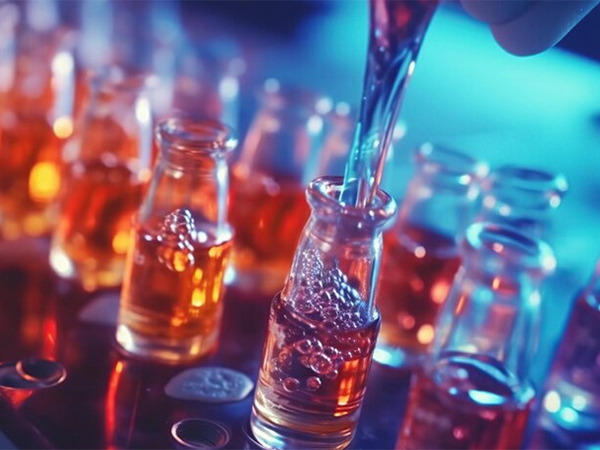
- Pipettes and Micropipettes: Used for precise liquid handling.
- Laboratory Glassware: Various types of glass containers and apparatus for experiments.
Consumables:
- Chemicals: Reagents and solvents required for various analyses.
- Culture Media: Nutrient materials for the growth of microorganisms.
- Laboratory Apparatus: Disposable items like pipette tips, syringes, vials, and tubes.
- Filters and Membranes: Used for filtration processes.
- Chromatography Columns: Necessary for chromatographic separations.
Quality Control Instruments:
- Spectrophotometer: Monitors the color and intensity of pharmaceutical products.
- Rheometer: Measures the flow and deformation characteristics of materials.
- Viscometer: Determines the viscosity of liquids.
It’s important to note that pharmaceutical laboratories adhere to strict regulations and standards to ensure the safety, efficacy, and quality of pharmaceutical products. The specific instruments and consumables used will depend on the nature of the pharmaceutical research and the regulatory requirements of the region.